

Iceland will introduce a mileage-based road tax from 1 January 2026, replacing traditional fuel taxes with a per-kilometre charge. The change is intended to raise funds for road maintenance and to better align charges with actual road use, but it also carries immediate implications for tourists, rental car operators and regional travel patterns.
How the new system works
Under the new regime drivers will be charged according to the number of kilometres driven on Icelandic roads, rather than the amount of fuel purchased. The government frames the approach as a fairer way to allocate the cost of maintaining infrastructure, particularly on routes that experience high wear and tear from vehicular traffic. For visitors who typically pay fuel levies indirectly at the pump, the change means mileage will be the direct basis for road charges.
Details about exact rates, exemptions and enforcement mechanisms were set out as part of the policy rollout. The intention is to capture both domestic and foreign vehicles using the road network, so short visits and long-distance itineraries will be affected differently. For travellers planning long drives, the per-kilometre model can increase the predictable portion of travel costs, because charges scale directly with distance.
Immediate effects on tourism and route choices
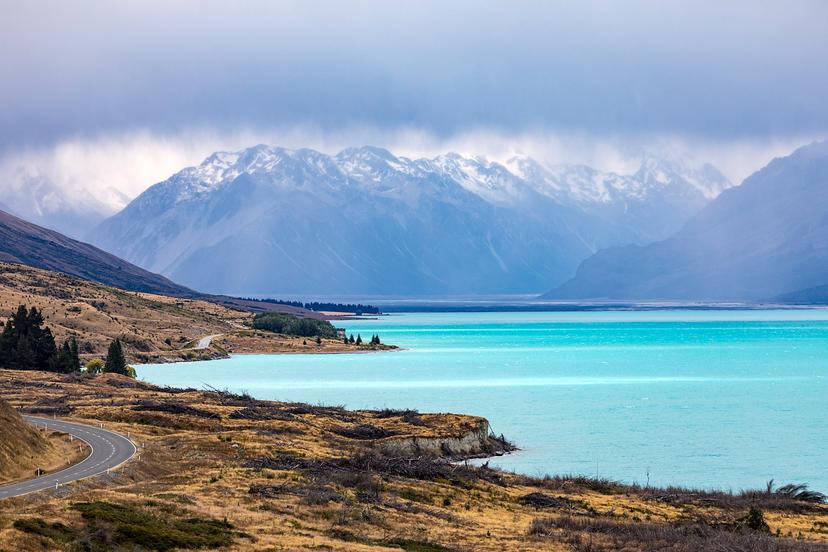
Tourism operators and industry observers expect the tax to influence where visitors go in the country. Long-distance journeys, such as complete circuits of the Ring Road or trips to remote areas in North and East Iceland, may become relatively more expensive than shorter itineraries concentrated around Reykjavík and the Golden Circle.
That shift could intensify pressure on already popular southern destinations while reducing the number of visitors who reach more remote regions. Those regions currently see rapid growth in visitation; the new tax may slow that trend by raising the cost of getting there. For travellers, the decision to prioritise distance or experience will become more explicit, since every extra kilometre will carry a visible charge.
The policy may also encourage small adjustments in travel planning. Visitors could choose to base themselves in a single area and take shorter excursions, or rely more on organised tours that distribute costs across participants. The net effect on daily visitor numbers at specific sites will depend on how rental rates, tour pricing and other travel expenses change in response.