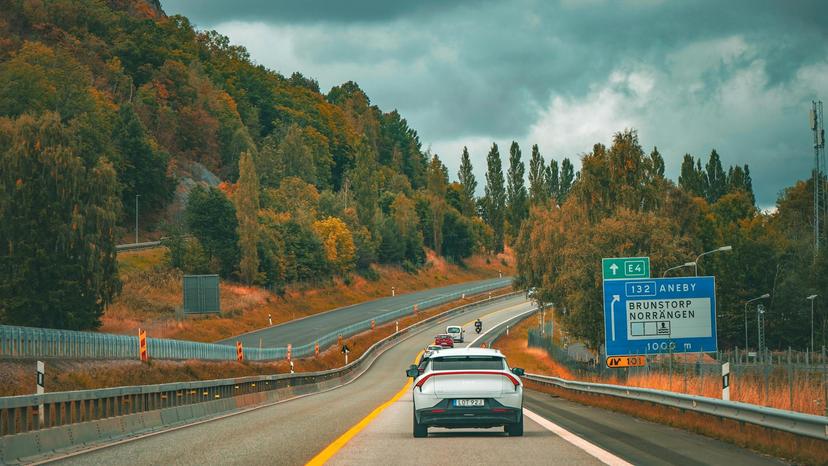

New Zealand’s plan to move the entire light-vehicle fleet onto road-user charges would replace much of the existing petrol excise system with distance-based payments, creating more than a new revenue stream. If implemented using electronic in-vehicle devices, the change could be used to tackle road safety, pollution, congestion and parking in ways fuel taxes can’t.
How the current system works
At present, most vehicle fuel in New Zealand carries a fuel excise duty paid at the refinery or import point, with additional levies such as payments for the Emissions Trading Scheme folded into the pump price. This approach is simple to collect, has low administration costs and is effectively unavoidable for drivers.
A subset of vehicles already uses road-user charges, which are paid in pre-purchased licence blocks of 1,000 kilometres. Those rates vary by vehicle weight and axle configuration, and heavier vehicles above 3.5 tonnes face higher charges. The system for many heavy freight vehicles is already electronic and often includes GPS, enabling operators to track vehicle performance and driver behaviour.
The government proposal would extend the road-user charge approach to petrol vehicles, shifting the point of collection from fuel sales to distance travelled. The plan envisages administering the scheme electronically through a device installed in or fitted to each vehicle, a model already familiar in the freight sector.
What the change would mean for drivers and fleets
Under a full road-user charge regime, every vehicle owner would pay for kilometres driven rather than fuel consumed. For the average driver this means a more direct link between road use and road payments. Heavier vehicles would still shoulder higher charges, but a uniform distance-based approach does not directly reward fuel efficiency the way fuel excise does. That could blunt the financial incentive to choose more fuel-efficient petrol cars, unless policymakers design differentials into the RUC rates.
Administration and compliance costs are expected to rise relative to a fuel excise collected at source. Road-user charges rely to some extent on vehicle owners’ accurate reporting and on electronic monitoring, which increases both complexity and potential avenues for evasion if not carefully controlled. Conversely, an electronic system offers rich, location and time-sensitive data that a fuel excise cannot provide.