
The company behind in-vehicle monitoring systems, Eroad, has outlined a low-cost approach to measuring mileage if the Government moves to charge all vehicles under road user charges, suggesting many modern cars could be linked via software and older vehicles fitted with a roughly $40 windscreen tag.
What Eroad proposes
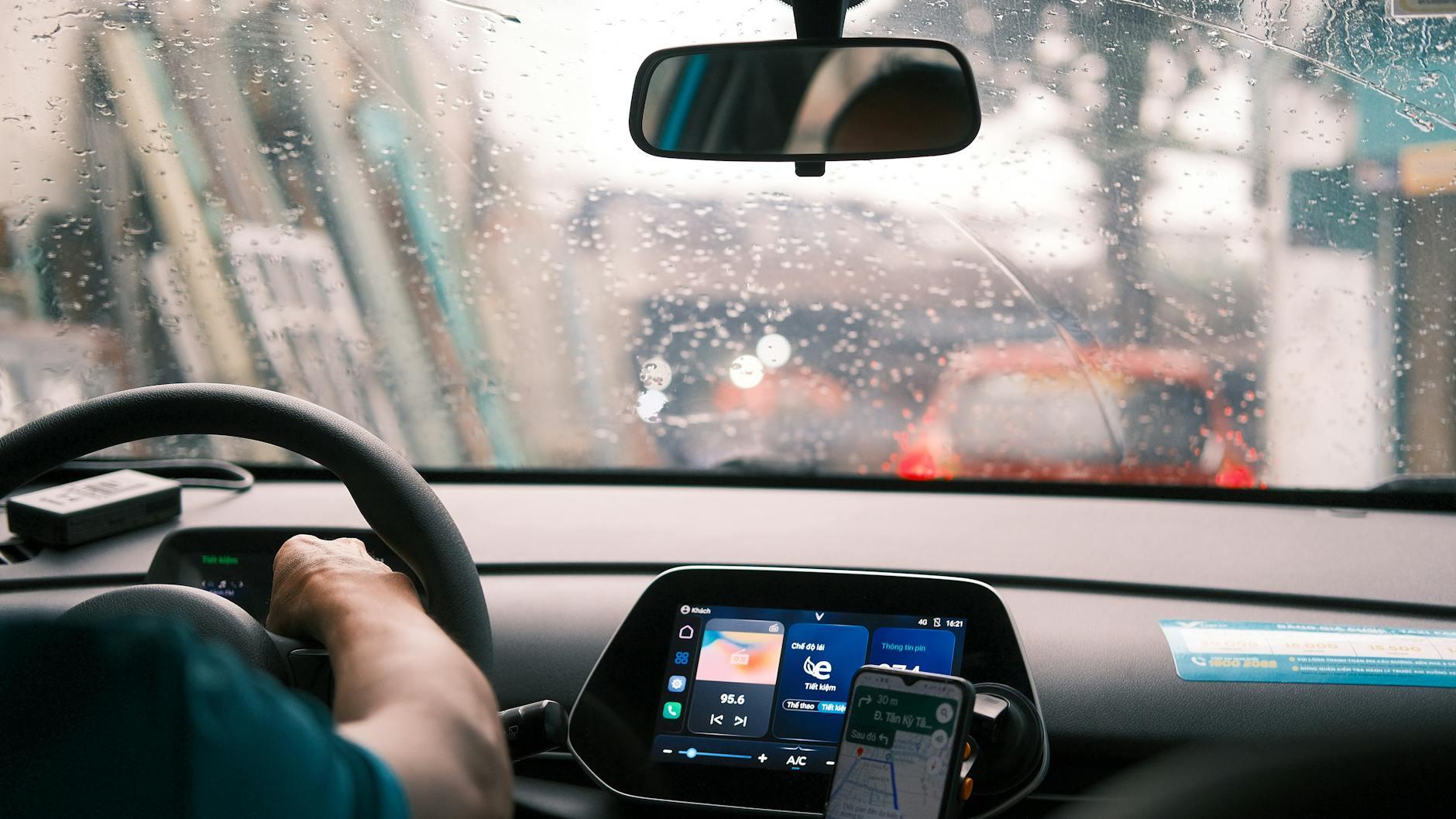
Eroad, whose shares jumped after the Government revealed plans to replace petrol excise with a road user charges system that would apply to all vehicles, says it can support a range of technical solutions. For recent-model cars the firm proposes a smartphone app or communications that talk to the vehicle’s own electronic systems, using the car’s e-SIM or similar connectivity to supply mileage readings without an external box.
For older vehicles that lack that connectivity, Eroad says it could produce a small RFID-style device, described as a “smart tag”, which would be affixed to the windscreen and sold at about $40 per unit. The tag would be similar in concept to toll transponders used in other cities, and could optionally include GPS capability if required by scheme specifications.
Eroad’s comments follow an earlier request for proposals from the national transport agency, which the company responded to. The firm says it has been working from the agency’s consultation materials to model technical options and costs while the Government finalises the policy and implementation timetable.
Privacy and practical questions
Public reaction on social media has included concern about the potential for location tracking, particularly because the Government has signalled the new collection system could also handle tolls and congestion charges alongside the road user charge. The Privacy Commissioner has highlighted potential pain points around collecting and sharing location or movement data, underlining that privacy protections and clear limits will be central to public acceptance.
Eroad notes existing legal restrictions mean it cannot hand over location or tracking information to the Government without proper legal process. The company also points out that many commercial fleet systems already record mileage and that a mix of vehicle-integrated reporting, smartphone approaches, and simple windscreen tags could keep hardware costs down for drivers.